Many older adults want to age in place while staying safe, independent, and comfortable in their own homes.
As mobility, balance, or vision change with age, everyday tasks can take more effort and sometimes feel less secure.
Alongside physical home modifications, smart home technology is increasingly being used to support daily living.
When chosen carefully, these tools can help reduce fall risk, simplify routines, and provide reassurance for both seniors and their families.
Let’s go through how smart home technology fits into aging in place, the types of devices that are most helpful, what to look for in 2026, typical costs, and how to choose options that match real needs without adding unnecessary complexity.
What Aging in Place Really Means in Today’s Homes?
Aging in place is not only about staying in the same house. It involves creating a home environment that supports safety, independence, and daily routines as needs change over time.
It usually includes physical upgrades such as bathroom modifications, kitchen adjustments, and improved lighting.
Today, technology is often added as another layer of support rather than a replacement for these changes.
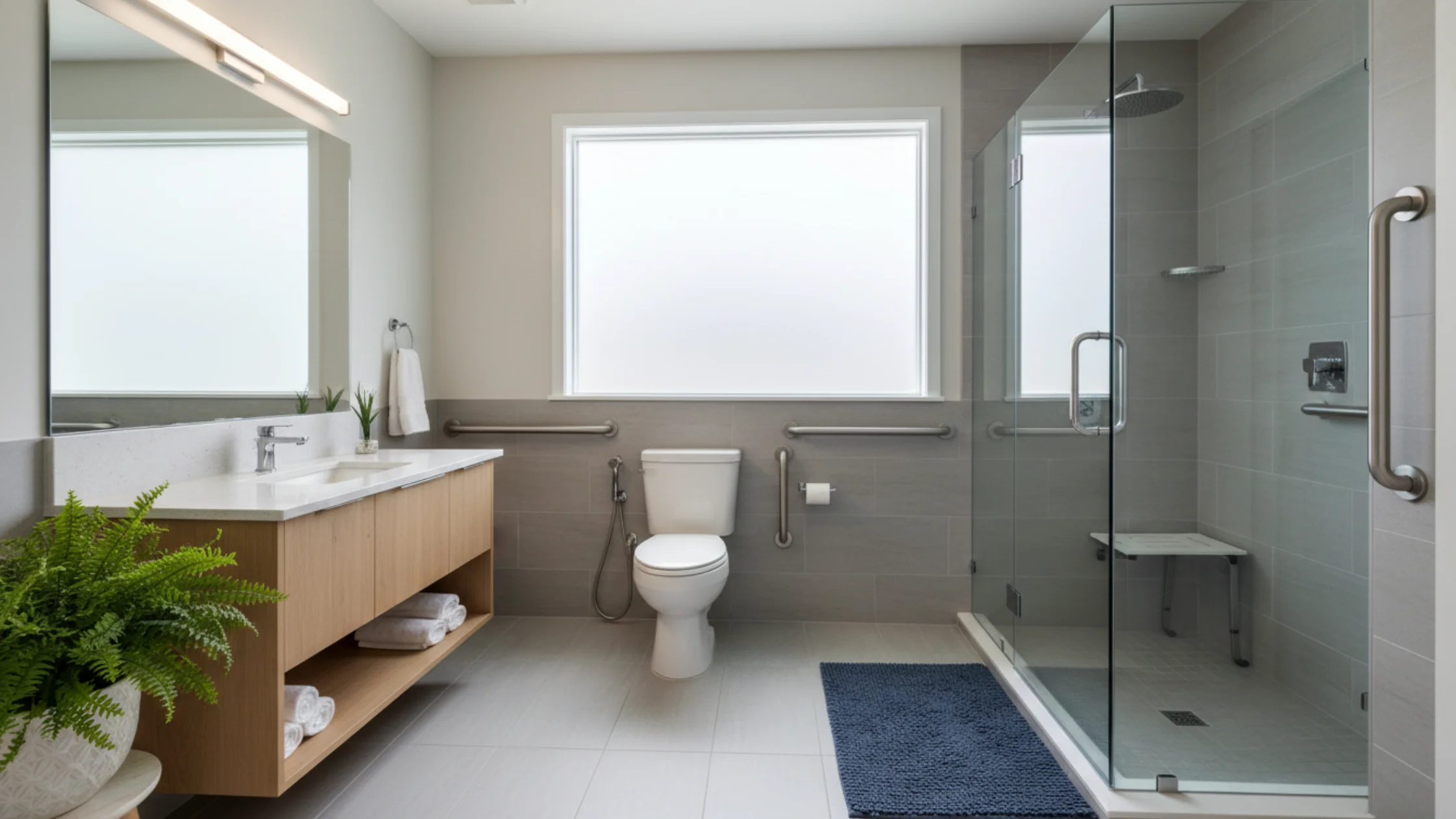
Smart home tools can work alongside grab bars, non-slip flooring, and walk-in showers to make everyday tasks easier and reduce risks. The key is choosing technology that can adapt gradually, offering help without overwhelming the person using it.
How Smart Home Technology Supports Aging in Place?
Smart home technology can support aging in place in several practical ways. Some devices help reduce fall risk by improving lighting or alerting others when something unusual happens.
Others simplify daily tasks, such as turning lights on and off, setting reminders, or making phone calls without needing to move or reach for controls.
It can be especially helpful for seniors with limited mobility, vision changes, or balance concerns.
These tools can also provide reassurance for family members, particularly when loved ones live alone.
Smart home systems tend to work best when they are planned early and added gradually, rather than installed suddenly after a safety issue occurs.
Smart Home Devices That Improve Daily Safety
Several types of smart home devices are commonly used to support daily safety for older adults.
Voice-activated assistants allow hands-free control of lights, thermostats, and phones, reducing the need to move around unnecessarily. Smart lighting systems can automatically turn lights on at night, helping prevent trips and falls in dark hallways or bathrooms.
Motion sensors placed in key areas, such as hallways, staircases, or bathrooms, can trigger alerts when movement patterns change.
Smart door locks and basic security systems can also make entry and exit easier while improving home security.
When choosing devices, simplicity and reliability are more important than advanced features. Tools that work quietly in the background tend to be the most useful.
Voice-Activated Devices for Seniors: What to Know
Voice-activated devices such as Alexa or Google Home are often one of the easiest technologies for seniors to use.
They allow people to control lights, set reminders, make calls, or ask for help using simple voice commands.
These devices can be especially helpful for seniors with arthritis, balance issues, or vision limitations, since they reduce the need to reach for switches or screens.
Basic setup is important. Devices should be configured with clear commands, simple routines, and minimal unnecessary features.
Families should also consider privacy settings and explain how information is used, helping seniors feel comfortable and confident using the device.
Fall Detection and Medical Alert Systems for Seniors
Fall detection and medical alert systems are another common part of smart home planning for aging in place. These systems are designed to alert others in the event of a fall or emergency.
Some devices are wearable, such as pendants or watches, while others use in-home sensors to monitor movement patterns. Each option has advantages, depending on lifestyle and comfort.
When evaluating medical alert systems in 2026, reliability and response time are critical. Systems should work consistently, communicate clearly with response centers, and function during power or internet interruptions when possible.
These tools are especially helpful for seniors living alone or those with a history of falls.
Smart Home Technology vs Traditional Home Modifications
Smart home technology is most effective when it supports, not replaces, physical home modifications. Devices alone cannot eliminate hazards such as slippery floors, high thresholds, or poor bathroom layouts.
Upgrades like grab bars, non-slip flooring, and walk-in showers address physical risks directly.
Smart technology can then add an extra layer of safety by improving visibility, communication, and awareness.
Planning both together helps create a home that is safer and easier to live in. Technology works best when it fits naturally into spaces that are already designed for accessibility.
Cost of Smart Home Technology for Aging in Place
The cost of smart home technology varies based on the type and number of devices used. Basic setups, such as voice assistants and smart lighting, can often be added for a few hundred dollars.
More advanced systems, including fall detection or monitoring services, may involve ongoing subscription fees.
Some devices require one-time purchases, while others combine hardware costs with monthly service plans.
Many families start with a small number of devices and expand over time as needs change.
The gradual approach helps control costs and avoids paying for features that may not be used.
Choosing the Right Smart Home Setup for Aging Parents
Choosing the right setup starts with understanding current abilities and comfort levels. Technology should match how a person already lives, not force new habits.
Overly complex systems can create frustration rather than support.
In some cases, professional installation can help ensure devices are placed and configured correctly, though simple tools may be installed independently.
Before relying on any system daily, it’s important to test it in real situations. This helps confirm that it works as expected and that the user feels confident using it.
Common Mistakes to Avoid When Using Smart Technology for Seniors
One common mistake is installing too many devices at once. It can make the home feel confusing or intrusive.
Ignoring ease of use is another issue, as complicated controls often go unused. Backup power and internet reliability are sometimes overlooked, even though they are essential during emergencies.
Finally, technology works best when users understand it. Taking time to explain features and practice using them helps prevent frustration later.
Conclusion
Smart home technology can play a meaningful role in supporting aging in place when used thoughtfully.
These tools work best as part of a balanced approach that includes physical home modifications and realistic planning.
By focusing on safety, simplicity, and everyday usefulness, families can choose technology that supports independence without adding unnecessary complexity.
With careful selection and gradual use, smart home devices can help make daily living safer and more comfortable over time.
Leave a Reply