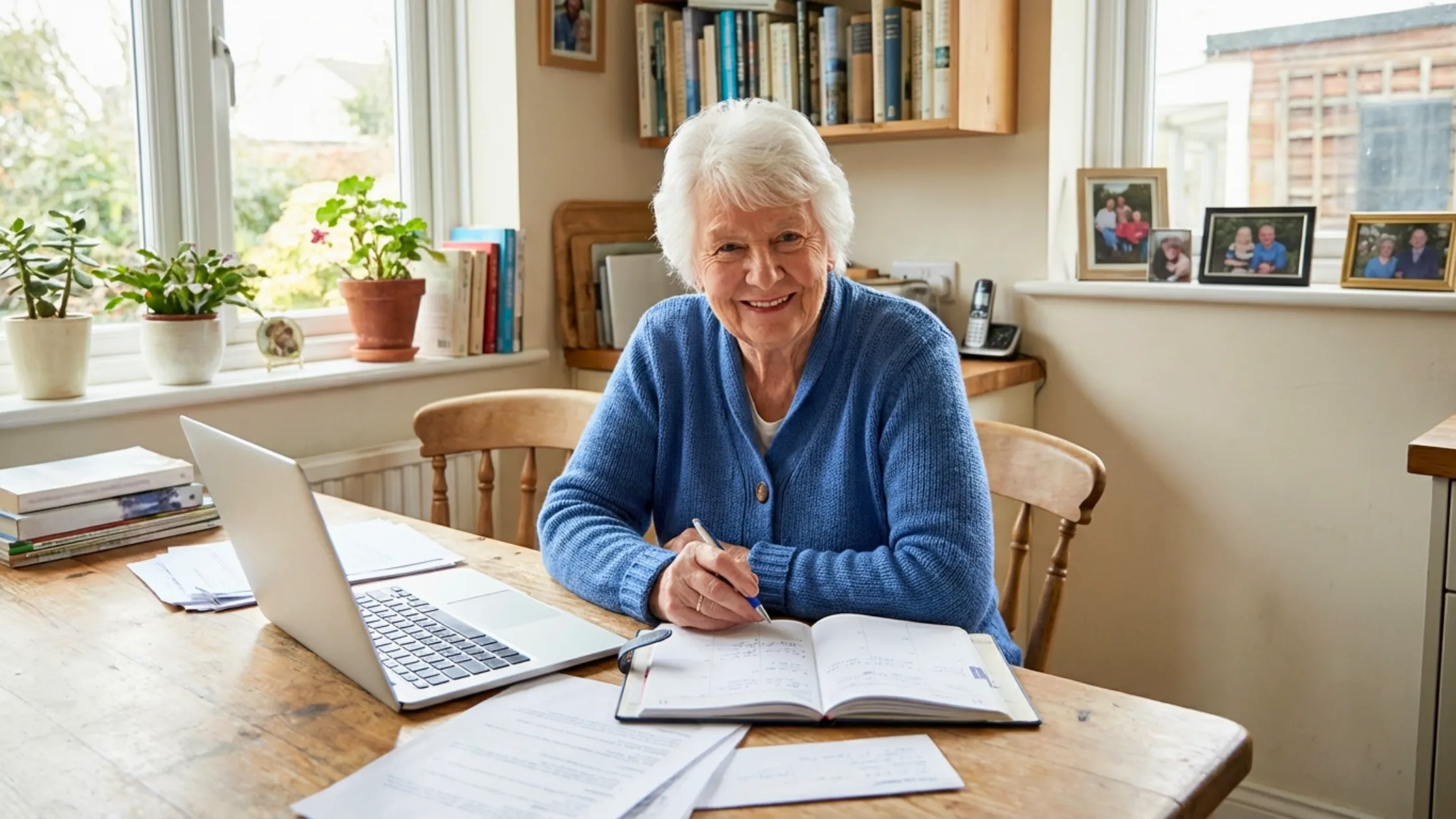
A growing number of adults are planning to age in place without the support of nearby family. Some have no children, while others have family who live far away or cannot provide regular help.
Aging independently brings freedom, but it also creates unique safety and planning challenges. Managing health, home care, and emergencies on your own requires more preparation, not more worry.
The key difference is planning rather than reacting when problems arise. Aging is not just about isolation. It is about intentional independence.
This guide helps readers prepare, organise, and prioritise the systems that support safe, confident living at home.
What It Means to Be a “Solo Ager”?
A solo ager is not simply someone who lives alone. It refers to a person who cannot rely on nearby family for regular support or emergency help. Distance, availability, and reliability matter just as much as family size.
Some solo agers have relatives who are busy or live in other cities. Others are fully independent by choice. A common misconception is that solo aging is inherently risky. In reality, it becomes risky only when it is unplanned.
Self-directed planning is what turns solo aging into a stable and manageable lifestyle.
Why Planning Ahead Matters More for Solo Agers?
Solo agers have fewer built-in safety nets during emergencies. A missed call, a minor fall, or a medication mix-up can have a larger impact when no one checks in regularly.
Small problems can grow faster without early support. That is why preparation matters more for solo agers than for those with nearby caregivers.
Early planning builds confidence and continuity. Written plans, home safety upgrades, and support contacts reduce uncertainty. Structured preparation replaces guesswork and helps solo agers maintain control over their daily lives.
Creating a Safe Home Base for Independent Living
The home should be designed to reduce risk and daily effort. Bathrooms and entryways are the highest priority because most falls happen there. Grab bars, non-slip flooring, and low-threshold entries reduce the risk of accidents.
Good lighting throughout the home improves visibility and confidence. Clear walking paths reduce tripping hazards. Storage should be easy to reach without climbing or bending deeply.
These changes lower dependence on others for daily tasks. Only agers benefit most from prevention-focused upgrades, as they reduce the need for urgent outside help later.
Building a Personal Support Network (Without Family)
Independence does not mean doing everything alone. Solo agers should build a personal support circle that includes neighbours, friends, and trusted local contacts. Even one or two nearby people who can check in occasionally make a difference.
Community resources, senior centres, and local service providers also play a role. Professional services such as home maintenance or transport support can be part of the network.
Emergency contact lists and scheduled check-ins add structure. A support network protects independence. It does not weaken it.
Using Technology as a Backup, Not a Crutch
Technology can reduce daily friction when used wisely. Voice assistants, reminder systems, and smart lighting make routine tasks easier. Medical alert and fall detection systems provide emergency backup.
Communication tools allow quick outreach when needed. However, technology should support, not replace, human connection.
Systems should be simple, reliable, and easy to maintain. Overly complex setups often go unused. Solo agers benefit most from a few dependable tools rather than many advanced features.
Health and Routine Planning for Solo Agers
Routine is a form of self-support. Consistent daily schedules help solo agers manage medications, meals, sleep, and movement. Predictable structure reduces missed care and mental overload.
Calendars, reminder apps, and pill organisers support consistency. Scheduling appointments in advance prevents last-minute stress. Simple meal routines reduce decision fatigue.
When routines are stable, health becomes easier to manage on one’s own. Structure replaces reliance on memory and reduces avoidable mistakes.
Financial and Legal Basics Solo Agers Should Address
Important documents should be organised and easily accessible. This includes identification, insurance papers, medical information, and financial records. Agers should also plan who can help make decisions if they become temporarily unable to do so.
Budgeting for paid help, such as cleaning, transport, or short-term care, is also important. Clear financial planning reduces future pressure. Legal and financial clarity protects independence rather than threatening it.
Preparing for Short-Term Disruptions
Even healthy solo agers can face short-term disruptions such as illness, injury, or temporary mobility loss. Planning for these situations prevents panic. Backup plans should cover meals, transportation, and basic care.
Knowing which services to call and which neighbours to contact saves time. A short written “if needed” plan is helpful. Temporary support planning is not pessimistic. It is practical. Preparation prevents last-minute scrambling and protects stability.
Living Alone Without Feeling Isolated
Living alone does not have to feel lonely. Purpose and connection matter. Solo agers should build regular points of interaction into their week, such as calls, classes, volunteer work, or hobby groups.
Small, repeated interactions are more important than big social events. Privacy and engagement can coexist. Emotional resilience grows when connection is consistent. Independence feels stronger when it includes chosen relationships.
Common Mistakes Solo Agers Make
Many solo agers delay planning, assuming they will handle things later. Waiting increases risk. Another mistake is relying only on technology without human backup.
Avoiding conversations about future needs creates confusion later. Underestimating the value of preparation is common but costly. Simple early planning prevents complex future problems.
Integrating Solo Aging Into an Aging-in-Place Strategy
Aging-in-place planning should include only aging. Home safety, health routines, and support systems should work together. Plans should be reviewed yearly and updated as needs change.
Flexibility is essential. What works today may need adjustment later. Adaptable planning protects independence longer than rigid plans.
Conclusion
Living alone can still be safe, stable, and fulfilling with the right preparation. Solo aging works best when independence is designed, not left to chance. A safe home, clear routines, and backup support systems create confidence.
Planning ahead reduces risk and stress. With thoughtful structure and reliable support, solo agers can maintain control, dignity, and independence as they age in place.
Leave a Reply