Emotional well-being is just as important as physical safety when aging in place. A home can be fitted with grab bars, non-slip flooring, and proper lighting, yet still feel isolating if emotional needs are not met.
For many older adults, loneliness develops quietly over time, even when basic needs for food, healthcare, and housing are met.
Reduced mobility, retirement, changes in social roles, and living alone can slowly shrink daily interaction. Mental health is not a separate concern. It directly affects confidence, motivation, and independence.
This guide explains how loneliness develops, why it matters, and how to support emotional connection while aging safely and comfortably at home.
Why Loneliness Is a Common Challenge in Aging in Place?
Loneliness often increases after major life transitions. Retirement may remove daily structure and routine social contact.
Friends and family members may move away, experience health issues of their own, or pass on. Over time, these changes reduce casual interactions that once felt automatic.
Living alone does not always mean feeling lonely, and living with others does not always prevent isolation. Loneliness is emotional, not physical. Someone may have visitors but still feel disconnected or unheard.
Families may miss early signs because isolation rarely presents as an emergency. Addressing emotional health early helps prevent deeper withdrawal and supports long-term independence at home.
How Loneliness Affects Overall Health and Independence?
Loneliness impacts both mental and physical health. Emotionally isolated individuals may feel less motivated to move, eat regularly, or maintain routines. Over time, inactivity can reduce strength, balance, and coordination, increasing fall risk.
Sleep patterns may become irregular, appetite may decline, and energy levels may drop. Emotional withdrawal can also affect attention and awareness, making everyday tasks feel more difficult.
Confidence plays a large role in independent living. When people feel connected and supported, they are more likely to stay engaged with their environment and take better care of themselves.
Signs of Social Isolation Families Should Watch For?
Social isolation often manifests in small, gradual changes. An older adult may stop calling or texting as often, respond briefly, or avoid conversations about their daily life. Interests such as hobbies, reading, or watching favourite programs may fade.
Changes in daily routines, such as sleeping more, skipping meals, or neglecting personal care, can also signal emotional withdrawal.
Increased forgetfulness or disengagement may reflect a lack of stimulation rather than cognitive decline. These subtle signs matter because they often appear long before serious emotional or physical health issues arise.
Creating Daily Structure and Purpose at Home
Structure provides emotional stability. Predictable routines help older adults feel grounded and in control of their day. Simple habits such as waking at the same time, eating regular meals, or setting aside time for an activity can bring comfort and normalcy.
Purpose does not have to mean productivity. Activities like caring for plants, preparing meals, listening to music, or doing light household tasks can create a sense of usefulness.
Having something to look forward to, even something small, supports emotional health. Daily structure also encourages gentle movement, which benefits both mental and physical well-being.
Staying Social While Aging in Place
Staying social does not require frequent outings or large gatherings. Meaningful connection often comes from regular, low-effort interaction. Short phone calls, shared meals, or brief visits can provide more emotional support than occasional big events.
Community involvement can be adapted to energy levels. Faith groups, hobby clubs, book discussions, or neighbourhood check-ins allow older adults to stay connected without leaving home often.
Learning new skills or revisiting old interests keeps the mind engaged. Consistency matters more than frequency. Small, regular interactions help prevent emotional isolation.
Using Technology to Reduce Isolation
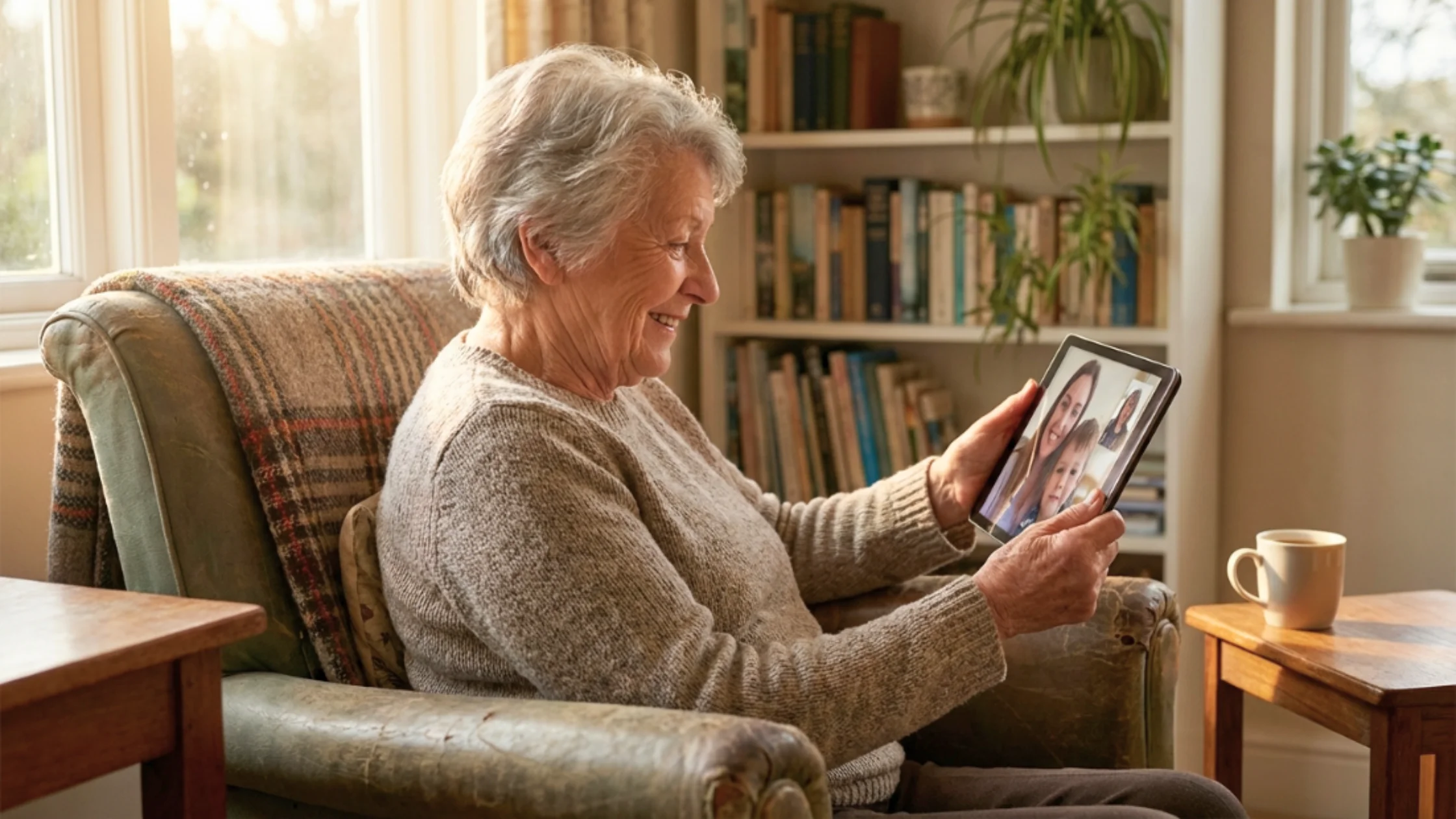
Technology can support social connection when used thoughtfully. Voice-activated devices make it easier to place calls, send messages, or set reminders without physical strain. Video calling enables face-to-face interaction when travel is difficult or impossible.
Messaging apps provide low-pressure ways to stay in touch. Smart home technology should support connection, not replace people.
Tools should feel simple and helpful, not confusing. When technology reduces effort and increases access to others, it can help seniors feel more connected and confident at home.
Home Environment Changes That Support Emotional Well-Being
The physical home environment strongly influences mood. Natural, well-placed lighting improves energy levels and reduces feelings of sadness or fatigue. Comfortable seating encourages relaxation and conversation.
Personal touches, photos, books, artwork, or familiar objects help maintain a sense of identity.
Clear pathways reduce frustration and make movement easier. Creating inviting spaces for hobbies, calls, or visits makes interaction feel natural. A calm, comfortable home layout quietly supports emotional health throughout the day.
Supporting Mental Well-Being Without Overstepping Independence
Emotional support works best when independence is respected. Encouragement should feel supportive, not controlling. Asking open-ended questions and offering choices helps older adults feel heard and valued.
Safety monitoring should not feel intrusive. Balancing awareness with privacy allows individuals to maintain dignity. Emotional health depends on trust.
When seniors feel respected rather than managed, they are more likely to stay engaged and open to support.
When Extra Support May Be Helpful
Sometimes loneliness deepens despite routine efforts. Persistent sadness, withdrawal, or loss of interest in daily activities may signal the need for additional support. Family involvement, community programs, or professional counselling can help.
Seeking help does not mean losing independence. It reflects self-awareness and strength.
Addressing emotional concerns early prevents isolation from becoming overwhelming. Extra support can stabilize emotional health and help seniors continue aging in place safely and confidently.
Integrating Emotional Health Into an Aging-in-Place Plan
Emotional well-being should be part of overall aging-in-place planning. Mental health works alongside physical safety and medical care. Social interaction can be built into daily routines just like meals or movement.
Plans should be flexible and reviewed over time. Life circumstances change, and emotional needs shift.
Proactive emotional support reduces crisis-driven decisions later. When emotional health is considered from the beginning, aging in place becomes more sustainable and fulfilling.
Conclusion
Emotional connection is essential for aging well at home. Physical safety alone cannot support true independence. Small, consistent efforts, daily routines, regular communication, and supportive environments. Make a meaningful difference.
Families and seniors can treat mental well-being as a shared, ongoing priority. By addressing loneliness early and respectfully, aging in place becomes not only safer but also more connected, emotionally secure, and deeply human.
Leave a Reply