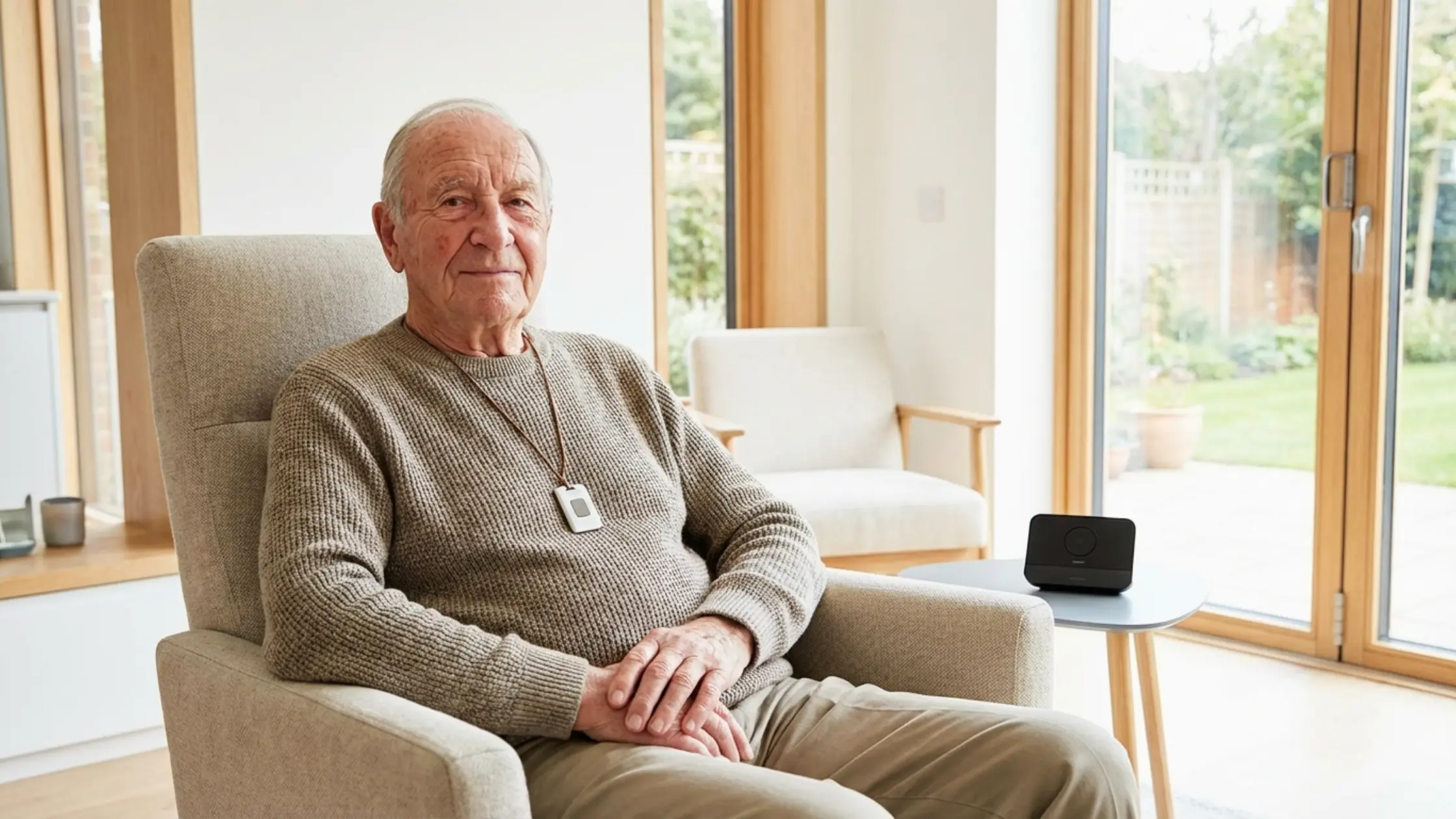
For many seniors, a medical alert system is an important part of staying safe while continuing to live at home.
Families often worry about how quickly help will arrive in an emergency, whether the device will be easy to use, and what the long-term cost might be. Today’s systems offer more than a simple call button.
Many now include fall detection, automatic alerts, and GPS tracking for use both inside and outside the home. Choosing the right option depends on daily routines, mobility, and health needs.
The guide explains what to understand before selecting a medical alert system.
What Medical Alert Systems Do for Aging in Place?
Medical alert systems are designed to connect a person to help within seconds. With the press of a button or, sometimes, automatically after a detected fall, the system contacts a response center that can notify family members or emergency services.
This quick connection can reduce the time between an incident and the arrival of assistance.
For seniors, that can make everyday living feel safer and less stressful. For family members, it provides reassurance when they cannot be physically present.
Medical alert systems are most effective when combined with safe home design and regular check-ins, creating support without constant supervision.
Types of Medical Alert Systems Available Today
Several types of systems are available to match different living situations. In-home systems use a base station that connects through a landline or cellular signal and are intended for use inside the home.
Mobile systems use cellular networks and GPS, so they work almost anywhere with signal coverage.
Some devices are worn as pendants or watches, while others remain in fixed location,s such as near a bed or chair.
Active seniors who leave the house often benefit from mobile systems, while those mostly at home may prefer in-home options for simplicity and longer battery life.
Fall Detection Systems: How They Work
Fall detection devices use built-in motion sensors and software to recognise sudden drops followed by stillness.
When this pattern is detected, the system can send an alert even if the user cannot press a button.
This automatic response can be helpful for people who may be unconscious or unable to move after a fall.
However, these systems are not perfect and may occasionally trigger alerts from quick movements or dropping the device.
Because of this, fast communication and clear confirmation processes are important. Reliable detection, paired with a quick response time, ensures that real emergencies receive attention without unnecessary delays.
Auto-Alert Medical Systems vs Manual Alert Buttons
Auto-alert systems can request help without requiring any user action. This is useful when someone cannot reach the button due to injury, dizziness, or sudden illness.
Manual alert buttons, on the other hand, require the user to press a button to start the call.
These systems are often simpler and may have fewer false alerts. For users who are alert and able to respond quickly, manual buttons can work well.
Automatic systems add another layer of protection but may involve a higher cost or occasional false alarms.
Matching the alert type to the person’s physical ability and comfort level helps ensure it will be worn and trusted.
GPS-Enabled Medical Alert Systems for Active Seniors
GPS-enabled devices allow responders or family members to locate the user outside the home. This is helpful for seniors who walk daily, drive independently, or run errands alone.
Because these systems work through cellular networks, they provide protection beyond the home’s walls.
If an emergency happens while shopping or visiting friends, help can still be reached quickly.
Families should understand how location data is stored and shared so privacy remains respected. Clear privacy settings ensure safety without unnecessary tracking during everyday activities.
In-Home vs Mobile Medical Alert Systems
In-home systems operate within a set distance from the base station, usually covering the house and immediate outdoor areas. They work well for seniors who spend most of their time indoors.
Mobile systems provide coverage almost anywhere with cellular service, making them suitable for more active lifestyles. They can travel with the user rather than depending on a fixed location.
Some seniors benefit from a hybrid setup that combines both. This approach provides stable indoor coverage along with protection during outdoor movement, offering flexibility as routines change.
Key Features to Compare When Choosing a Medical Alert System
Important features include access to a 24-hour response center staffed by trained personnel. Clear two-way communication helps responders understand the situation quickly.
Battery life should support daily use without constant charging, and reminders should be simple and clear. Comfort and ease of wearing the device increase the chance it will stay on throughout the day.
Waterproof design is especially useful for bathrooms and showers, where many falls occur. Reliable customer support and monitoring quality also make long-term use easier and less stressful for families.
Cost of Medical Alert Systems in the US
Most systems involve a monthly subscription for monitoring services. Basic plans typically start at a moderate monthly rate, while advanced options cost more.
Some providers charge equipment or activation fees at the start. Optional features such as fall detection, GPS tracking, or extended coverage may add to the ongoing cost.
Understanding total long-term expenses helps families choose a plan that remains affordable. Many providers offer flexible billing so families can adjust services if needs change.
Who Should Consider a Medical Alert System
Medical alert systems are especially useful for seniors living alone. They also benefit people with balance concerns, a history of falls, or chronic health conditions that may require sudden assistance.
Active older adults who spend time outside the home may prefer mobile or GPS-enabled devices.
Families supporting aging parents from a distance often find these systems provide added reassurance.
Even seniors who feel healthy may appreciate the confidence that help is always within reach if something unexpected happens.
Common Mistakes to Avoid When Selecting a Medical Alert System
Choosing only by price can result in poor service or unreliable connections. Complicated devices may go unused if they are hard to understand.
Signal strength and coverage should always be checked before final setup. Testing the system after installation confirms that alerts are routed to the response center correctly.
Clear instructions and regular practice help ensure the device is used comfortably and confidently when needed.
Medical Alert Systems as Part of an Aging-in-Place Plan
Medical alert systems add protection but do not replace physical safety upgrades. Grab bars, walk-in showers, and non-slip flooring reduce everyday fall risk inside the home.
Alert systems then provide quick access to help in the event of an unexpected event. Using both together creates layered safety rather than relying on a single solution.
This balanced approach supports independence while still preparing for emergencies.
Conclusion
Medical alert systems can improve safety and confidence for seniors who want to remain independent at home. When matched to daily routines and mobility needs, they provide quick access to help during unexpected situations.
These devices work best as part of a broader safety plan that includes home modifications and regular support.
Viewed as a practical safety layer rather than a replacement for care, medical alerts can help make long-term independent living more secure and reassuring.
Leave a Reply