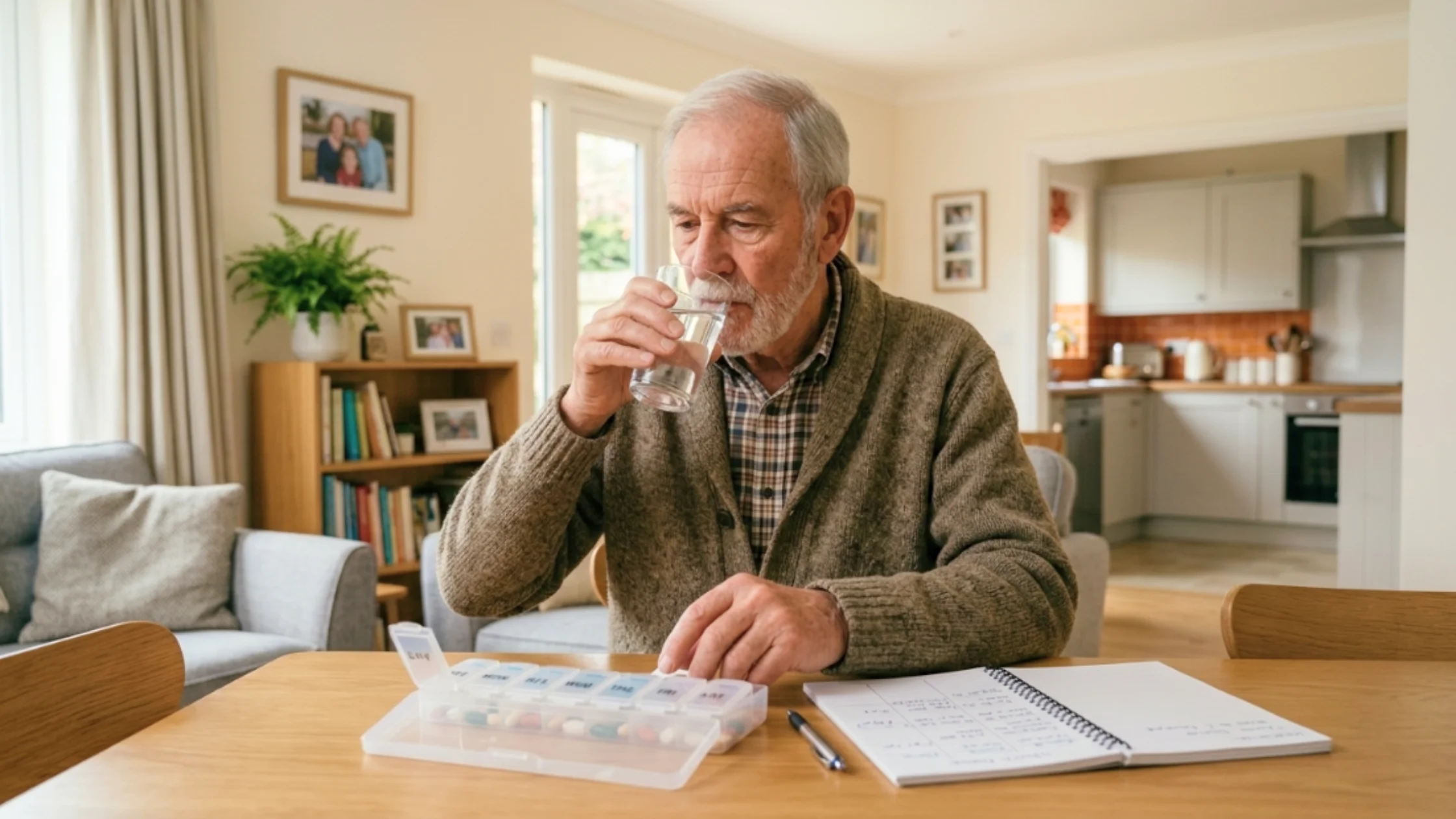
Many older adults live with one or more chronic health conditions while choosing to remain in their own homes.
Managing diabetes, arthritis, heart issues, or similar concerns can feel overwhelming when combined with the goal of staying independent. Good health at home is not only about doctor visits or medications.
Daily routines, safe surroundings, and gentle monitoring all play an important role. When these pieces work together, life at home becomes calmer and more predictable.
This guide explains how thoughtful home-based management can reduce stress, prevent sudden setbacks, and support steady, confident aging in place.
Why Chronic Condition Management Is Central to Aging in Place?
Chronic health conditions can slowly affect strength, balance, and confidence. When symptoms are poorly managed, everyday tasks like standing up, walking to the bathroom, or preparing meals may become tiring or dangerous.
This can increase the chance of falls and make people feel less secure moving around their homes.
Consistent daily care helps keep symptoms stable and predictable. A well-organised home makes it easier to follow care plans without extra effort.
Many families focus only on medical treatment, but the home environment plays a large part in maintaining safe, independent movement each day.
Creating a Home Routine That Supports Chronic Health
A predictable daily routine reduces both physical and mental strain. Regular times for waking, meals, medications, light activity, and rest help the body stay balanced. Clear schedules make it easier to remember important care steps and avoid missed doses or skipped meals.
Organising commonly used items within easy reach reduces unnecessary bending and walking. Short, planned rest periods prevent fatigue from building up.
Simple routines provide structure without feeling restrictive. Over time, steady habits lower the risk of sudden health changes that might otherwise lead to emergency visits or hospital stays.
Managing Diabetes at Home While Aging in Place
Daily diabetes management often focuses on stable meals, regular monitoring, and gentle movement. Easy access to healthy foods supports balanced blood sugar levels. A safe, well-lit kitchen with clear walking paths reduces the risk of dizziness-related falls.
Keeping testing supplies in one consistent place simplifies daily checks. Comfortable seating nearby allows quick rest if energy drops.
Gentle activities such as short indoor walks support circulation and stability. Small home adjustments help reduce strain and maintain steady routines that protect both safety and independence.
Living With Arthritis at Home: Comfort and Mobility Focus
Arthritis can make everyday movements feel stiff or painful. Simple actions like turning door handles, reaching shelves, or standing from chairs may require extra effort. Reducing physical strain is more helpful than moving quickly.
Supportive seating with armrests makes sitting and standing easier. Non-slip flooring and stable surfaces improve balance.
Frequently used items stored at waist height reduce bending and stretching. Taking short breaks between tasks prevents overexertion. Comfort-focused movement helps maintain mobility without causing additional joint stress.
Supporting Heart Health in a Home Environment
Heart health often depends on balanced activity and controlled effort. Daily tasks should allow steady movement without heavy strain. Clear walking paths and clutter-free spaces reduce sudden exertion.
Maintaining a comfortable indoor temperature helps regulate breathing and circulation. Calm, well-lit rooms support relaxation and steady energy levels. Keeping seating areas available throughout the home allows rest when needed.
A predictable pace of activity prevents fatigue spikes and supports cardiovascular stability during normal daily routines.
Home Modifications That Support Chronic Condition Management
Small physical changes can greatly reduce daily effort. In bathrooms, grab bars and slip-resistant flooring support safe movement during fatigue or balance changes. Walk-in showers reduce strain when stepping in or out.
In kitchens, easy-reach storage and simple controls reduce bending and twisting. Staircases benefit from secure handrails on both sides. Hallways should remain wide and well-lit.
These adjustments work quietly in the background, reducing physical stress and helping seniors manage their health without constant assistance.
How Technology Can Assist With Daily Management
Simple technology tools can support daily routines without replacing personal care. Reminder systems help with medications, meals, and check-ins. Voice-activated lights or thermostats reduce physical effort when moving around the home.
Basic monitoring tools track patterns of movement or rest to highlight changes early. These systems focus on awareness rather than constant observation.
Reliable, easy-to-use devices provide gentle support while respecting independence. When carefully chosen, technology blends into daily life rather than adding complexity.
Reducing Hospital Visits Through Better At-Home Support
Early awareness of small changes often prevents larger problems. Tracking patterns such as appetite, movement, or rest helps identify concerns before they become emergencies. Regular check-ins from family members or caregivers add reassurance.
Consistent home care reduces sudden disruptions that lead to urgent medical visits. Prevention often begins with stable daily habits and safe surroundings.
When health management happens quietly at home, fewer stressful hospital trips are needed, supporting calmer and more confident aging in place.
Who Benefits Most From Structured Home Management
Structured home routines are especially helpful for seniors managing multiple conditions. Older adults living alone gain confidence when daily care feels predictable. Families supporting parents from a distance can rely on steady habits to reduce worry.
Individuals who want to stay independent longer benefit from clear routines that reduce daily strain.
A simple structure provides stability without limiting freedom, helping seniors manage their health while continuing familiar home activities.
Common Misconceptions About Chronic Care at Home
Managing health at home does not replace professional medical care. Instead, it supports treatment plans by maintaining daily routines. Independence does not mean handling everything alone; it means using layered support when needed.
Chronic conditions do not automatically prevent aging in place. With thoughtful planning and safe surroundings, many seniors continue living comfortably at home. Realistic expectations focus on gradual stability rather than perfect control of symptoms.
Integrating Health Management Into an Aging-in-Place Plan
Health routines work best when aligned with home safety upgrades. Gentle daily movement supports circulation and balance. Grab bars, non-slip flooring, and good lighting make routine activities safer.
Regular reviews allow adjustments as conditions change. Flexible plans adapt to new needs without major disruption. This layered approach combines daily habits, safe environments, and simple monitoring to maintain independence over time.
Conclusion
Chronic health conditions do not have to prevent safe, independent living at home. Steady routines, supportive surroundings, and simple monitoring create stability without constant disruption.
Planning ahead and making small home adjustments reduces daily strain and builds confidence. Families can view home-based management as a steady foundation rather than a burden.
With thoughtful structure and adaptable support, many seniors continue managing their health while enjoying familiar, independent living for years to come.
Leave a Reply