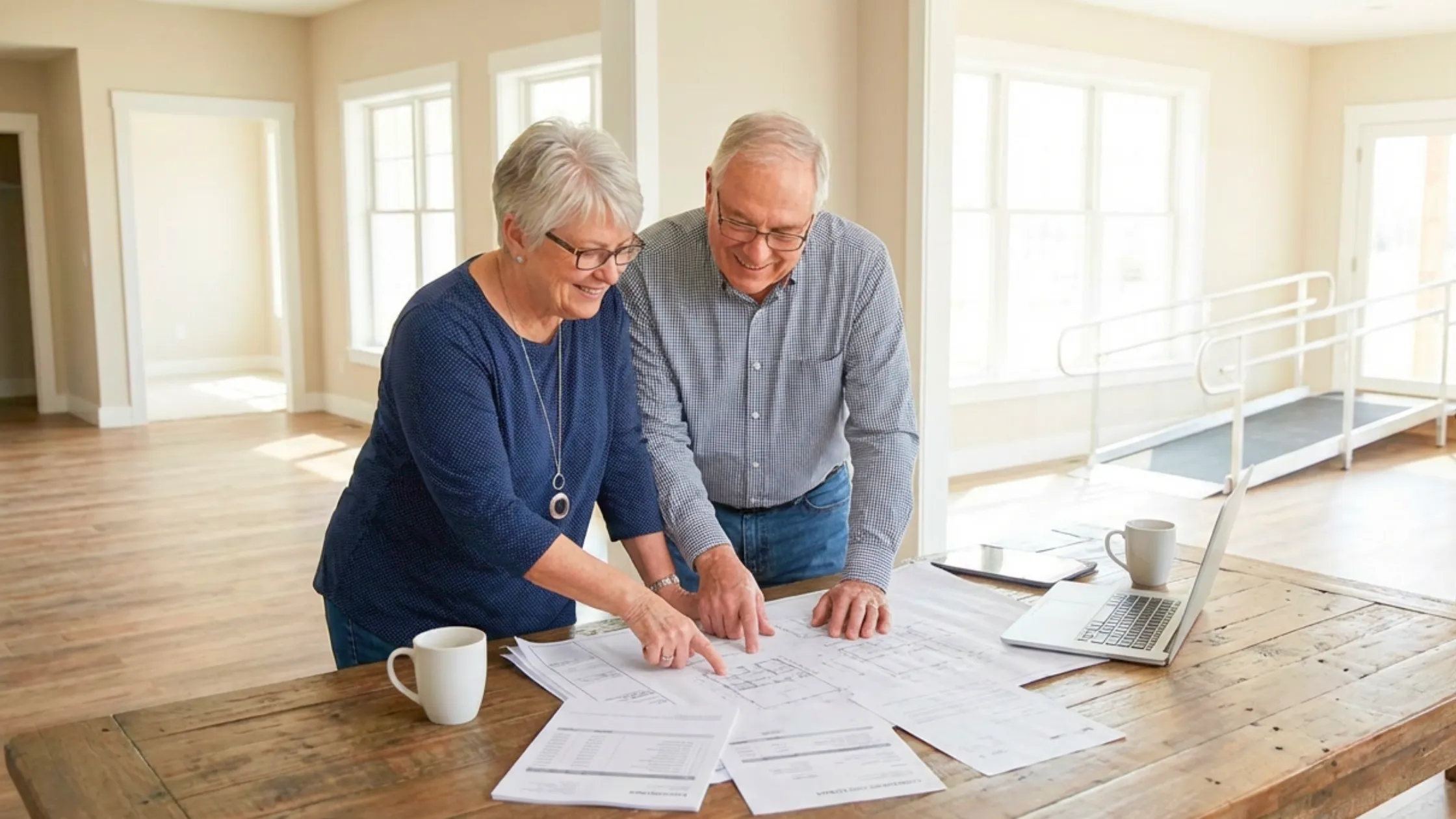
Cost is often the biggest question families consider when thinking about aging in place. Some people believe staying at home will be very cheap, while others worry it could cost as much as assisted living.
The truth is, costs can vary widely from family to family. They depend on the home, health needs, and the timing of early planning. Aging in place is not one big expense. It happens step by step.
This guide explains realistic 2026 costs and helps families plan ahead without added stress.
What “Cost of Aging in Place” Actually Includes?
The cost of aging in place includes both one-time upgrades and ongoing monthly expenses. One-time costs usually involve home modifications that improve safety and accessibility. Ongoing costs may include technology, monitoring services, healthcare support, and basic home maintenance.
Many families underestimate expenses by focusing only on visible upgrades, such as bathroom changes, while overlooking subscriptions, support services, or future maintenance.
Looking at the full picture helps prevent budget surprises later. A realistic plan considers physical changes, digital tools, and health-related support together rather than treating them as separate decisions.
One-Time Home Modification Costs (2026 Estimates)
Home modifications are often the largest upfront expense. Bathrooms are typically the highest priority because they carry the greatest fall risk. Basic safety upgrades like grab bars, non-slip flooring, and improved lighting may cost a few hundred to a few thousand dollars. More significant changes, such as walk-in showers or low-threshold tubs, often cost more due to plumbing and layout changes.
Kitchen modifications may include improved lighting, pull-out storage, or lowering shelves for easier reach. These changes usually cost less than bathroom renovations but still contribute meaningfully to daily independence.
Staircases and entryways may need handrails, ramps, or threshold adjustments. Minor modifications are generally more affordable, while moderate upgrades cost more but offer long-term safety benefits. Starting with high-risk areas often provides the best value for money.
Ongoing Monthly Costs to Plan For
Aging in place also involves recurring monthly expenses. Medical alert systems or monitoring services often require subscriptions. Smart home devices may involve internet upgrades or connectivity costs.
Telehealth services may be covered by insurance, but some remote care or wellness programs involve monthly fees. Home maintenance services, such as cleaning, lawn care, and occasional repairs, also add to ongoing costs.
These recurring expenses may seem small individually, but they add up over time. Planning for monthly costs early helps families understand long-term affordability rather than focusing only on upfront spending.
Technology Costs That Support Aging in Place
Technology can support safety and independence, but costs vary widely. Basic smart home setups may include voice assistants, smart lighting, or thermostats. These typically involve one-time device costs with minimal ongoing fees.
More advanced setups may include fall detection, motion monitoring, or communication tools that require subscriptions. The key is choosing technology that matches actual needs. Overspending on features that won’t be used adds unnecessary cost without improving safety.
Technology spending works best when it supports daily routines rather than following trends. Simple, reliable tools often provide more value than complex systems.
Health, Wellness, and Support-Related Expenses
Health-related costs are an important part of aging in place. These may include exercise programs, wellness classes, or preventive care services. Nutrition support, supplements, and routine health check-ins also contribute to long-term stability.
Some families choose occasional in-home help for tasks like housekeeping or meal preparation. Others may need short-term assistance during recovery periods. Proactive spending on prevention and wellness can reduce emergency medical costs later.
While these expenses may feel optional, they often support independence and reduce the likelihood of more costly interventions.
Aging in Place vs Assisted Living: Cost Comparison
Assisted living in the U.S. typically involves a fixed monthly fee that covers housing, meals, and care. These costs can be substantial and often increase over time.
Aging in place spreads costs differently. Some expenses are upfront, while others are ongoing and adjustable. Aging in place does not include bundled services like daily meals or on-site staff, which keeps some costs lower.
However, cost alone should not determine the decision. Lifestyle preferences, comfort, and independence matter just as much as financial comparisons. Each option carries different types of expenses and trade-offs.
Budgeting for Aging in Place in Apartments or Smaller Homes
Apartments and smaller homes often have lower modification costs due to limited space. Fewer stairs and smaller layouts reduce the need for extensive renovations.
Many upgrades can be renter-friendly or reversible, such as temporary grab bars or improved lighting. Prioritising safety without structural changes helps control costs.
Smaller spaces also reduce maintenance and utility expenses. For many older adults, downsizing makes aging in place more affordable while still supporting independence.
How to Phase Costs Over Time (Instead of All at Once)?
Aging in place does not require all upgrades at once. Phasing costs allows families to address immediate safety needs first and plan future changes later.
Separating “now” needs from “future” possibilities reduces financial pressure. For example, installing grab bars now while planning for a future shower upgrade spreads costs over time.
Revisiting budgets annually helps adjust plans as health or mobility changes. Gradual investment supports better decision-making and avoids rushed spending after an accident.
What Often Gets Overlooked in Cost Planning?
Some costs are easy to miss. Reliable internet and power are essential for technology-based support. Maintenance and eventual device replacement should be considered.
Subscription fees may increase over time, and inflation affects service costs. Emergency buffers are also important. Planning for unexpected expenses prevents financial stress during health changes.
Overlooking these factors can make aging in place feel more expensive than expected.
Who Typically Pays for Aging-in-Place Costs?
Most aging-in-place costs are paid out of pocket. Families often contribute financially or help manage expenses. Some insurance plans or assistance programs offer limited coverage for specific items, but support is usually partial.
Understanding who pays for what early helps avoid misunderstandings. Clear conversations about financial responsibility reduce stress and help families plan together rather than react under pressure.
Integrating Cost Planning Into an Aging-in-Place Strategy
Cost planning should align with safety, health, and independence goals. Budget decisions work best when paired with professional home assessments and realistic timelines.
Involving family members early creates shared understanding. Transparency helps prevent resentment or confusion later. Financial planning is not just about numbers—it supports peace of mind and long-term stability.
Conclusion
Aging in place can be financially manageable with thoughtful planning. Costs vary, but informed budgeting prevents surprises and rushed decisions. Viewing expenses as phased investments rather than emergencies allows families to maintain control.
With realistic expectations and clear priorities, aging in place becomes a sustainable path that supports independence, safety, and long-term stability rather than financial strain.
Leave a Reply