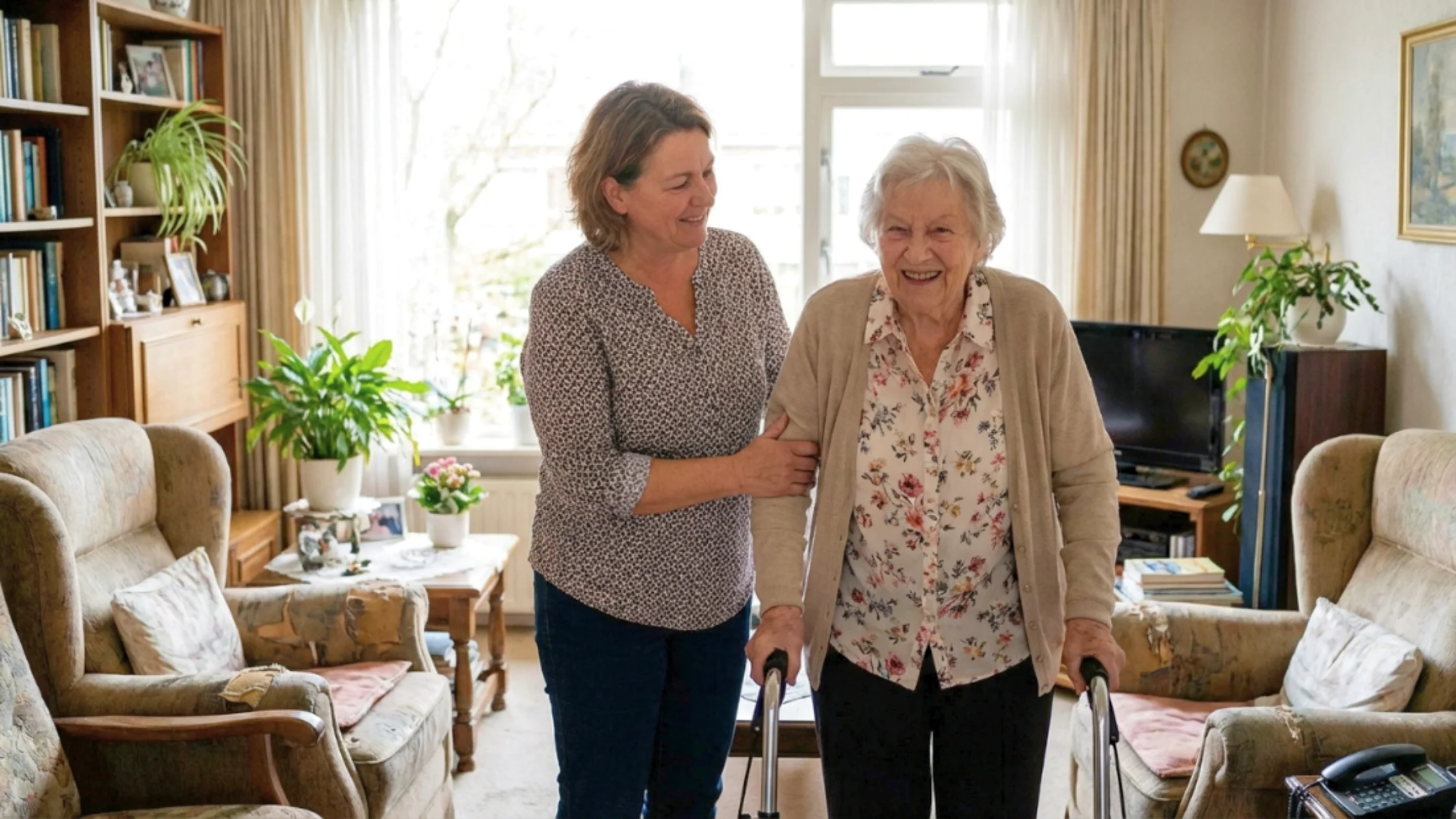
Caregiving is often part of aging in place, even when independence is the main goal. Many older adults continue living at home successfully but still need some level of support along the way.
That support may start small and grow over time. Families and caregivers often feel stress when help becomes necessary, especially when they are unsure of the options available or how to begin.
Waiting too long to arrange help can lead to burnout or rushed decisions during emergencies. Caregiving should not be seen as failure or loss of independence.
Shared support makes living at home safer and more sustainable. This guide explains caregiving resources and how to use them wisely.
What Caregiving Looks Like When Aging in Place?
Caregiving at home does not always mean full-time, daily assistance. In many situations, it begins with occasional help, such as transportation to appointments, grocery support, medication reminders, or weekly check-ins. Over time, needs may increase gradually rather than suddenly.
Support can come from many sources: family members, friends, neighbours, volunteers, or paid helpers. Some seniors need daily hands-on assistance, while others only need light supervision or scheduled support. Caregiving plans should stay flexible because health and mobility change over time.
There is no single model that works for everyone. The most effective caregiving setups are layered, adjustable, and based on real needs rather than assumptions.
Signs It May Be Time to Get Extra Help
One of the earliest warning signs is caregiver fatigue. When a family member providing support feels constantly tired, stressed, or overwhelmed, the care load may be too heavy for one person to handle. Ignoring this often leads to mistakes or emotional strain.
Other signs include missed medications, skipped meals, unpaid bills, or forgotten appointments. Changes in hygiene, housekeeping, or nutrition can also signal that daily tasks are becoming harder to manage.
Frequent near-falls, confusion with routines, or increasing safety concerns at home are strong indicators that additional help is needed. Bringing in support early prevents small gaps from turning into serious problems.
Types of In-Home Care Available
In-home care services range from light support to medical care. Personal care assistants help with daily activities such as bathing, dressing, grooming, toileting, and meal preparation. This type of care supports basic daily function.
Companionship care focuses more on social interaction and light supervision. It may include conversation, shared activities, and routine check-ins. This type of support helps reduce isolation while adding another safety layer.
Skilled care includes medical services such as nursing care, wound treatment, or therapy. This is usually arranged through healthcare providers and may be time-limited.
Choosing the right care type depends on actual daily needs. Starting with the lowest helpful level and increasing only when necessary often works best.
How to Hire a Caregiver: What to Know
Caregivers can be hired through agencies or independently. Agencies typically handle background checks, training standards, payroll, and backup coverage if a worker is unavailable. This adds reliability but often increases hourly cost.
Independent caregivers may charge less but require more oversight from the family. Screening, scheduling, and payment management become the household’s responsibility.
References, prior experience, and background checks are important either way. Duties and schedules should be clearly written and agreed upon. Costs vary by region, hours, and task complexity. Clear expectations prevent misunderstandings and improve long-term working relationships.
Respite Care: Giving Caregivers a Break
Respite care provides temporary relief for primary caregivers. It may last a few hours, a weekend, or longer depending on the arrangement. Care can be delivered at home or through short facility stays.
Short-term relief allows caregivers to rest, attend to personal needs, or travel. Planned respite is more effective than emergency breaks because it is scheduled and coordinated.
Breaks improve caregiver patience, focus, and emotional health. Without rest, caregiver burnout becomes more likely. Asking for relief is not neglect. Responsible caregiving protects both the helper and the person receiving care.
Supporting Family Caregivers
Family caregivers often take on too much alone. Sharing tasks across multiple relatives reduces pressure and risk of burnout. Even small task-sharing, such as bill management or appointment scheduling, helps.
Clear communication is essential. Care roles should be discussed openly, not assumed. Boundaries protect relationships and emotional health.
Caregivers also need emotional support, social time, and rest. Support groups and counseling can help manage stress. When caregivers are supported, care quality improves naturally.
Community and Government Resources to Explore
Local aging agencies and senior centers often provide caregiver education, referrals, and service directories. Many offer workshops, helplines, and planning tools.
Non-profit organisations sometimes provide caregiver training, volunteer support, or limited service funding. Faith-based and community groups may offer meal programs or visitation support.
State and local assistance programs may provide partial funding for in-home services. Community resources often fill practical gaps that insurance does not cover.
Using Technology to Support Caregiving
Technology can simplify caregiving coordination. Medication reminder apps, shared calendars, and scheduling tools help track routines and responsibilities.
Communication platforms allow caregivers and family members to share updates quickly. Safety tools such as medical alert systems provide emergency backup.
Technology should remain simple and reliable. Tools that are hard to use are often abandoned. The goal is to reduce caregiver workload, not add complexity.
Planning Care Before a Crisis Happens
Care planning should begin before an urgent need appears. Early discussions about preferences, limits, and backup contacts reduce confusion later.
Written care notes, emergency contacts, and medication lists improve continuity. Backup caregiver plans should be in place in case the primary helper becomes unavailable.
Regular plan reviews keep arrangements current. Preparation reduces panic and supports smoother transitions when needs change.
Common Caregiving Myths
Many caregivers believe they must handle everything on their own. This belief creates unnecessary strain and risk. Another myth is that asking for help means giving up independence.
Some assume caregiving must be full-time and permanent. In reality, most care is flexible and part-time.
Letting go of these myths allows for healthier, more sustainable support systems.
Integrating Caregiving Into an Aging-in-Place Plan
Caregiving should be included in aging-in-place planning from the beginning, not added later. Support levels should match changing needs and risk levels.
Care plans should coordinate with home safety upgrades such as grab bars and lighting improvements. Plans should be reviewed and adjusted regularly.
Independence remains the goal. Caregiving is the structure that protects it.
Conclusion
Getting help makes it easier and safer to live at home longer. Care support can be short-term, flexible, and adjusted as needs change. It does not reduce independence.
It supports it. Families who arrange support early avoid burnout and emergency decisions. Shared caregiving creates stronger aging-in-place plans and better outcomes for both seniors and caregivers.
Leave a Reply