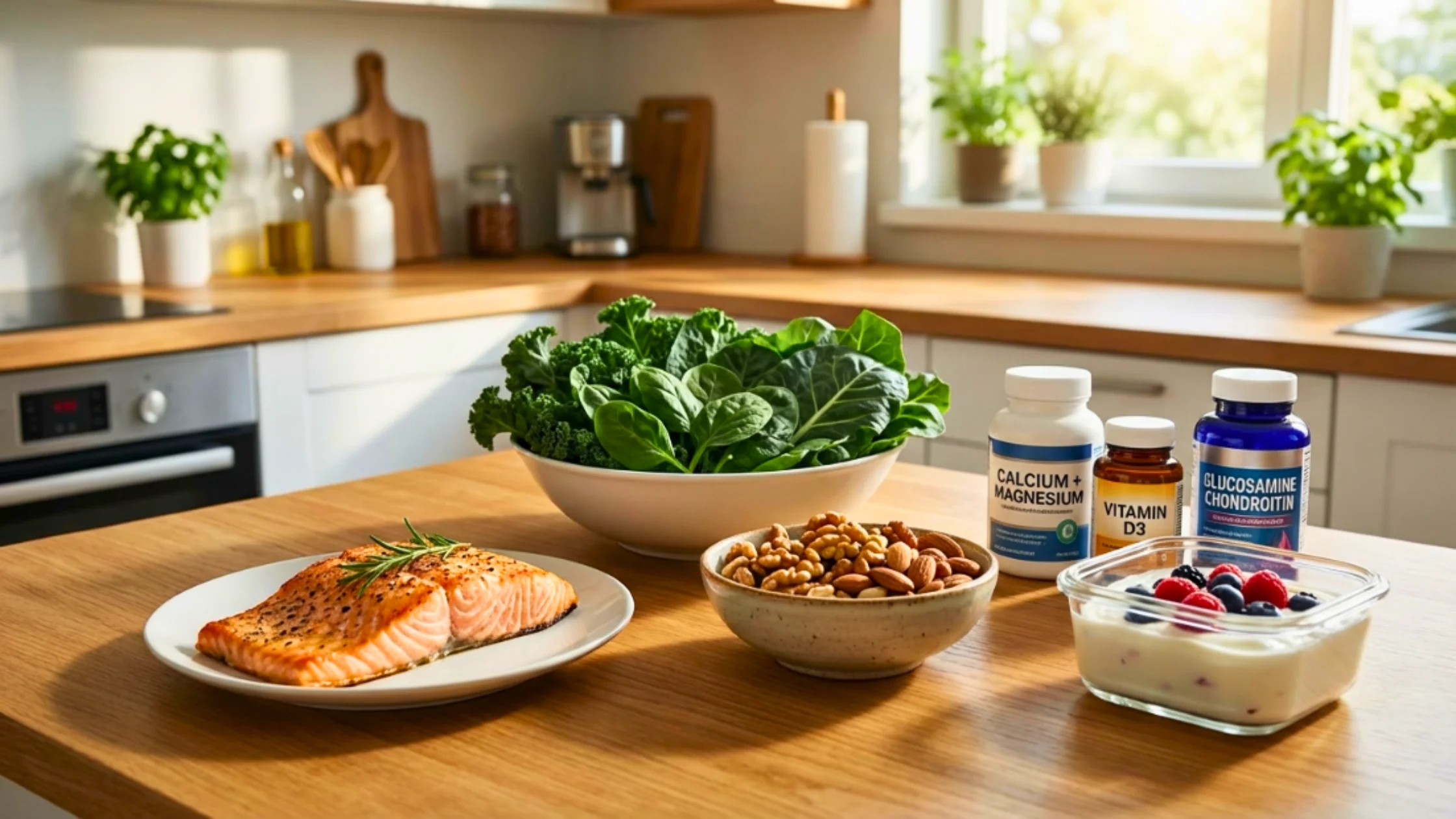
Strong bones and comfortable joints make everyday movement safer and easier. As people age, stiffness, soreness, and reduced flexibility can slowly limit how confidently they move around their homes.
Difficulty bending, standing, or climbing stairs can increase the risk of falls and make daily routines more tiring. While home safety upgrades are important, physical health also plays a key role in aging in place.
Nutrition and carefully chosen supplements can support joint comfort and bone strength over time.
This guide explains what to understand before choosing supplements or nutrition plans and why steady, realistic habits matter more than quick fixes.
Why Bone and Joint Health Matters for Aging in Place?
Healthy bones and flexible joints allow safe, steady movement throughout the home. When joints feel stiff or painful, people may move more slowly or avoid certain activities. It can lead to reduced confidence and greater dependence on others.
Strong bones also reduce the risk of serious injury in the event of a fall. Nutrition becomes increasingly important with age because the body absorbs nutrients less efficiently.
Long-term dietary habits play a major role in maintaining mobility. Consistent support for bone and joint health helps seniors remain active and independent in familiar surroundings.
Understanding Bone Loss and Joint Wear as We Age
Bone density naturally decreases with age, making bones thinner and more fragile. At the same time, the cartilage that cushions joints can wear down, leading to discomfort and stiffness. These changes are common even in otherwise healthy adults.
Some joint pain is related to normal aging, while chronic conditions such as arthritis may cause more persistent discomfort.
Early nutritional support can help maintain flexibility and reduce daily strain. Supporting bones and joints before major problems appear makes routine tasks like walking, standing, and reaching easier to manage.
Key Nutrients That Support Bone Health
Calcium is one of the main building blocks of bone tissue. Adequate daily intake helps maintain strength and density. Vitamin D supports calcium absorption and also plays a role in balance and muscle control.
Magnesium and phosphorus work alongside calcium to maintain bone structure. These nutrients are found in many whole foods such as leafy greens, dairy products, nuts, and seeds.
Supplements can help when dietary intake is low, but steady daily use is more effective than occasional high doses. Regular intake supports gradual, lasting improvement rather than sudden change.
Supplements Commonly Used for Joint Comfort
Some supplements are commonly chosen to support joint flexibility and comfort. Glucosamine and chondroitin are often used to maintain cartilage health. Omega-3 fatty acids may reduce mild inflammation that contributes to stiffness.
Turmeric and its active compound curcumin are sometimes used for general joint comfort. Collagen supplements aim to support connective tissues over time. Results from these options vary from person to person.
They may reduce mild discomfort but usually do not eliminate pain. Gradual, modest improvement is more realistic than immediate relief.
Food-Based Nutrition Plans for Stronger Bones and Joints
Whole foods play a major role in supporting bone and joint health. Adequate protein helps maintain muscle strength, which supports joints and balance. Fruits and vegetables provide vitamins and minerals that protect bone tissue.
Anti-inflammatory foods such as fatty fish, olive oil, nuts, and leafy greens can support overall joint comfort.
Staying well hydrated keeps joints better lubricated and supports circulation. Regular meals built from whole foods create a steady supply of nutrients. Diet and supplements often work best together rather than separately.
Supplements vs Nutrition Plans: What Works Best?
Supplements help fill gaps when certain nutrients are difficult to obtain from food alone. However, they cannot replace balanced meals. Whole foods provide fiber and additional compounds that support long-term health.
Combining nutritious meals with carefully chosen supplements supports steady mobility. Taking too many supplements at once can create imbalances or unnecessary expense.
A balanced approach focuses first on diet and then adds supplements only when helpful. Gradual, consistent support is more effective than relying on a single product.
Safety Considerations for Seniors Using Supplements
Some supplements may interact with prescription medications. Reading labels and following dosage instructions helps avoid unwanted effects. Larger amounts do not always produce better results.
Consulting a healthcare provider before starting new supplements is important, especially for seniors managing chronic conditions.
Even natural ingredients can cause side effects when combined with other treatments. Careful selection and professional guidance support safe, steady progress without disrupting existing care plans.
How Bone and Joint Health Supports Fall Prevention at Home?
Stronger muscles and flexible joints make standing, turning, and climbing stairs safer. Reduced stiffness allows smoother, more confident movement. Balanced nutrition supports the body’s ability to respond quickly to small changes in footing.
Exercise and home safety upgrades, such as grab bars and non-slip flooring, work alongside good nutrition.
Together, they create multiple layers of fall prevention. Supporting the body internally and the home environment externally helps maintain independence and reduce injury risk.
Who May Benefit Most From These Nutrition Strategies
Seniors experiencing stiffness, reduced mobility, or slower recovery from activity often benefit from steady nutritional support. Older adults at risk of falls or fractures may see improvements in confidence and movement control.
Individuals aging in place who engage in limited physical activity can maintain flexibility and strength through a better diet and targeted supplements.
Families who want to support aging parents proactively may also find these strategies helpful as part of everyday care.
Integrating Nutrition Into a Complete Aging-in-Place Plan
Nutrition works best when combined with gentle daily movement. Light exercise supports circulation and joint flexibility, while balanced meals maintain strength. Home modifications such as stable flooring and handrails complement physical health improvements.
Regular check-ins allow dietary habits and supplement choices to be adjusted as needs change.
This gradual, holistic approach supports long-term independence. Small, steady improvements build resilience, helping seniors remain active in familiar surroundings.
Conclusion
Good nutrition plays a steady, supportive role in safe and independent living. Balanced meals and carefully chosen supplements help maintain bone strength and joint comfort over time.
Informed decisions are more helpful than following short-term trends. When combined with exercise and home safety upgrades, nutrition becomes part of a broader aging-in-place strategy.
Consistent daily habits, rather than quick fixes, create lasting support for confident movement and long-term independence at home.
Leave a Reply